
Allendale County Criminal Court Records
A criminal court record is the court case file, not just the first arrest entry. In Allendale County, felony and higher-level criminal prosecutions are filed in Circuit Court's General Sessions division. Lower-level criminal matters, warrants, preliminary hearings, bond, and many first appearances may begin in Magistrate Court or Bond Court. When a case moves forward in General Sessions, the record can reflect solicitor filings, indictments, pleas, motion practice, hearings, trial settings, verdicts, dispositions, sentencing, restitution, fines, costs, probation terms, and appeals.
South Carolina's general trial court is Circuit Court, so a search for district court records in Allendale County should be translated into Circuit Court records. The court-charge path is separate: Allendale County arrest records and court charges focus on how accusations move from arrest to filed charges, while criminal court records focus on the case file and outcome.
Search Allendale County Criminal Court Records
Use the South Carolina Judicial Branch case-records directory and the Allendale Public Index route for Circuit Court criminal case information. The official research could not safely inspect the direct Allendale Public Index fields because the automated request returned HTTP 406, so the search should be completed in a normal browser. If the record does not appear, call the Allendale Clerk of Court for local case-file help or check the solicitor's status links and trial docket posts.
- Start with the defendant's full legal name, case number, charge title, or court notice if available.
- Open the state case-records directory and follow the Allendale County Public Index link.
- Check the case status, docket entries, charge lines, hearing activity, disposition, and sentence fields where shown.
- Use solicitor-posted dockets for trial-term context, but do not treat them as final case outcomes.
- Request certified or archived copies from the Clerk of Court when an agency, lawyer, court, or employer requires official documents.
The South Carolina criminal procedure statutes include rules that affect criminal court records, including records tied to dismissal, discharge, acquittal, and arrest-record destruction.
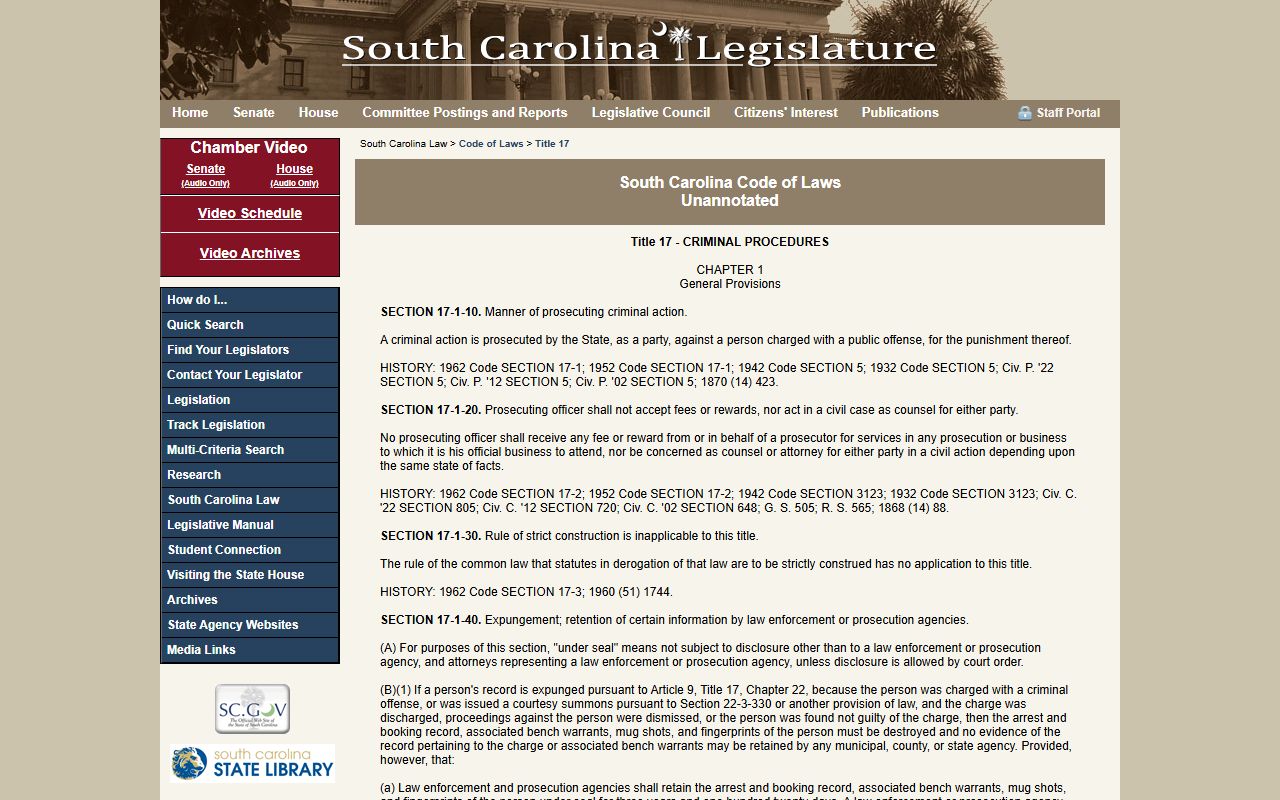
Those statutes help explain why a dismissed charge may not stay visible in the same way as an active or convicted criminal case.
Allendale County Criminal Case Stages
Criminal court records should be read as a timeline. The first event may be a warrant, arrest, bond hearing, complaint, indictment, or other charging action. As the prosecution develops, the court record may show arraignment, motions, plea offers, continuances, trial terms, verdict, plea, dismissal, nolle prosequi, sentence, restitution, probation, or appeal. A docket entry is only one point in that timeline.
Case flow: Charges Filed › Arraignment › Pretrial and Motions › Plea or Trial › Disposition › Sentencing
| Stage | What Happens |
|---|---|
| Charges filed | The accusation enters a court path through complaint, warrant, indictment, information, or solicitor action. |
| Arraignment | The defendant is advised of the charge and may enter a plea or move toward later proceedings. |
| Pretrial and motions | Lawyers file requests, discovery issues arise, hearings are set, and continuances may appear. |
| Plea or trial | The case is resolved by plea, tried before a judge or jury, dismissed, or otherwise disposed. |
| Sentencing | The record may show jail or prison time, probation, fines, costs, restitution, and conditions. |
What Allendale County Criminal Records Show
Allendale County criminal court records can include the case number, court division, defendant, prosecutor, defense attorney, judge, arresting agency, charge title, statute, count number, bond information, docket entries, hearing dates, plea, verdict, disposition, sentence, probation, restitution, fines, court costs, appeal activity, and status. Solicitor docket examples showed General Sessions case-number patterns with GS and Allendale County number 03.
| Field | What It Shows |
|---|---|
| Case number | The court identifier for the criminal case, such as a General Sessions case number. |
| Defendant | The person charged in the case; public displays may omit sensitive personal identifiers. |
| Charges | Offense title, count, statute, severity, agency, and status if the system displays those details. |
| Plea | Guilty, not guilty, or another plea entry when entered and shown. |
| Disposition | Convicted, dismissed, acquitted, nolle prosequi, transferred, pending, or closed. |
| Sentence | Custody, probation, restitution, fines, costs, or other court-ordered terms after conviction. |
Charges and Convictions Compared
A charge is an accusation. A conviction is an outcome after a guilty plea, verdict, or other adjudication. Allendale County criminal court records may list charges that were amended, reduced, dropped, dismissed, or resolved in a way that is not a conviction. The distinction matters for jobs, housing, licensing, immigration, sentencing, and expungement review. A person reading a record should look for the disposition, not only the offense title.
| Question | Charge | Conviction |
|---|---|---|
| Meaning | A formal accusation filed or pursued in court. | A final finding or plea that establishes guilt. |
| Where it appears | Warrant, bond record, indictment, solicitor filing, or docket entry. | Disposition, judgment, sentence, and criminal history reporting. |
| Can it change? | Yes, it can be amended, reduced, dismissed, or nol prossed. | It may be appealed or, if eligible, later addressed through post-conviction or expungement processes. |
| How to verify | Read later docket entries and solicitor action. | Check the disposition and sentence fields or request certified copies. |
Note: A trial docket listing an offense title does not prove conviction; it shows a case set on a court calendar.
Allendale County Solicitor Records
The Solicitor Duffie Stone biography identifies the elected prosecutor for the Fourteenth Judicial Circuit.
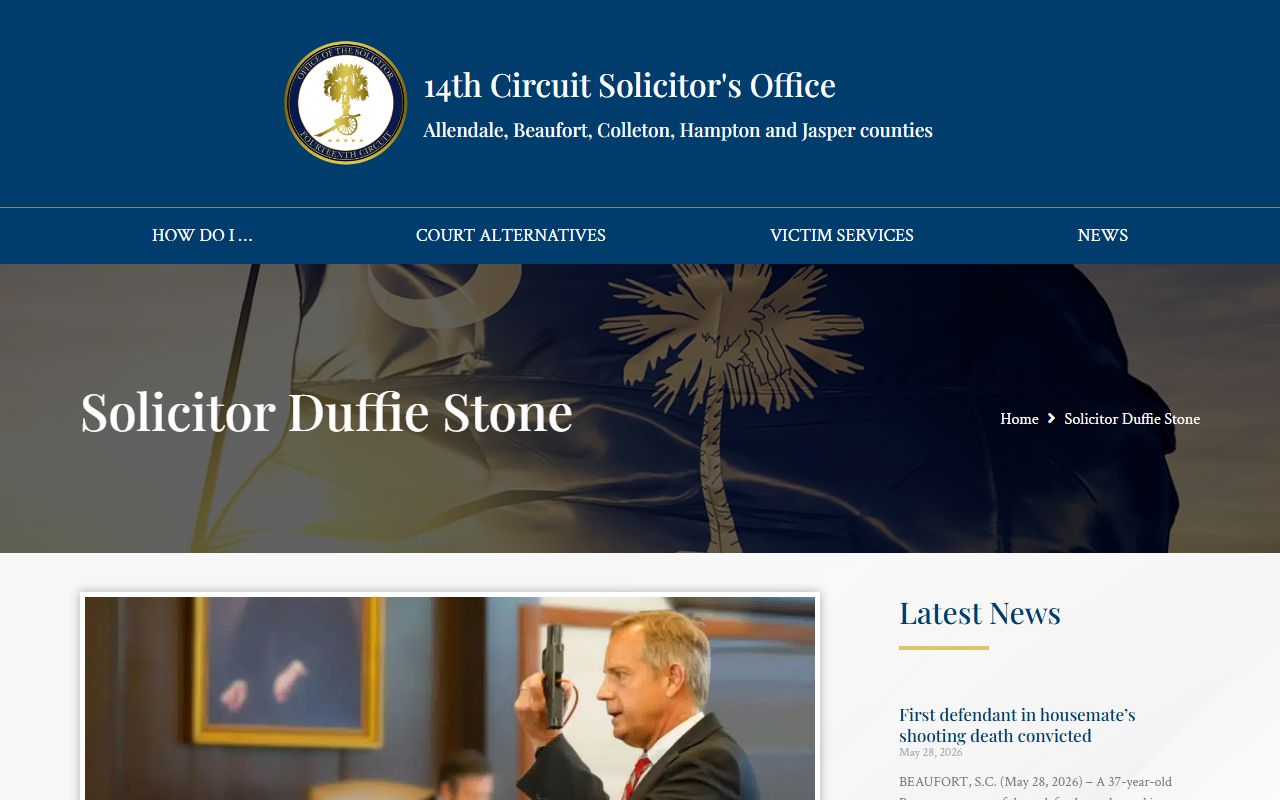
The solicitor's office is relevant because it reviews and prosecutes General Sessions criminal cases for Allendale County.
Solicitor materials can help explain case status, victim services, trial terms, and charging decisions, but the solicitor is not the Clerk of Court. The clerk keeps the court file. The solicitor prosecutes the case. A solicitor trial docket may show prosecutor, defense attorney, judge, agency, age in days, and offense title, while the court case record may show filings, disposition, sentence, and certified-copy history. Public defender contacts are also separate and depend on eligibility for appointed counsel.
Allendale County Defense Access
The South Carolina Judicial Branch public defender overview explains the statewide indigent-defense structure.
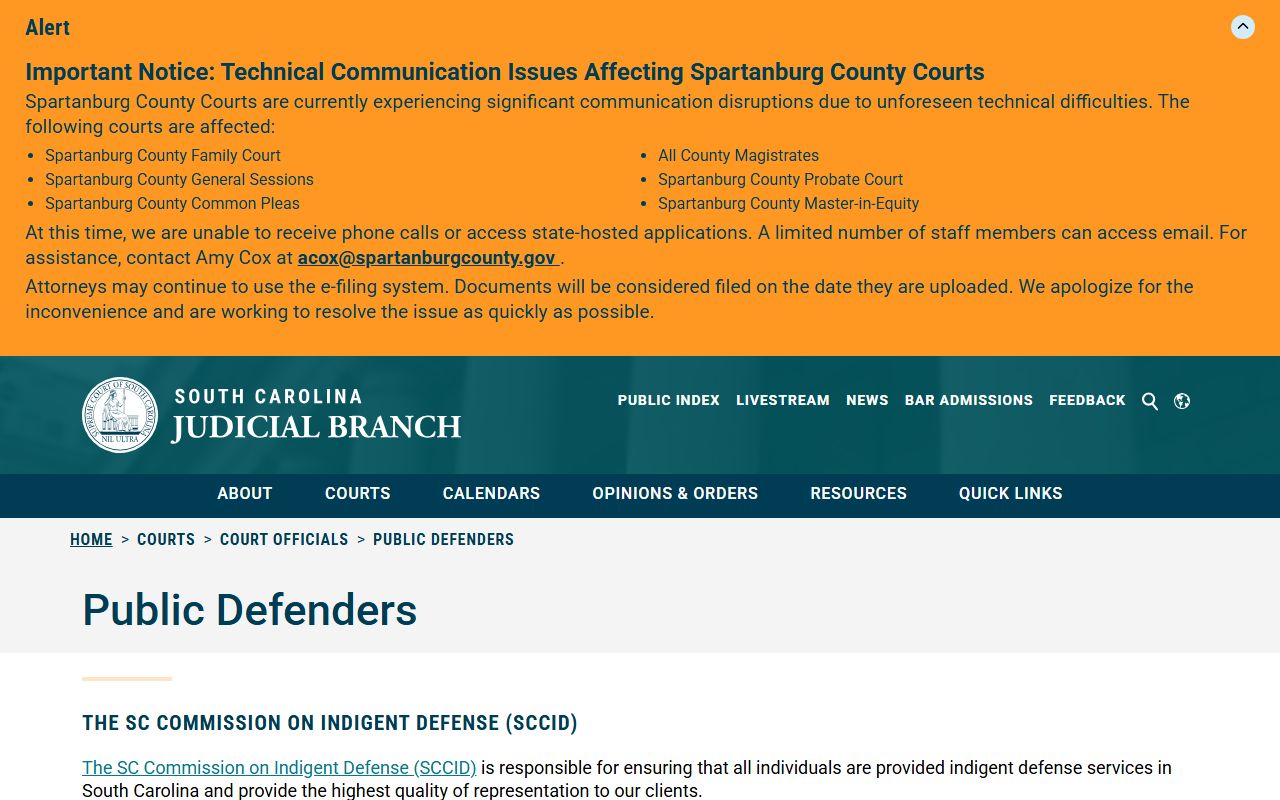
That source shows why criminal court record questions and defense representation questions are not handled by the same office.
The South Carolina Commission on Indigent Defense Allendale listing names Stephanie Smart Gittings as Circuit Public Defender and Stephen Plexico as Assistant Public Defender. Appointed counsel is not a general public advice service. Eligibility depends on the case and court process. For public records, use the Clerk of Court and Judicial Branch portals. For representation in an open criminal case, use the court's appointment process or the listed public defender contacts.
The SCCID Allendale County public defender page provides the local public-defender listing.
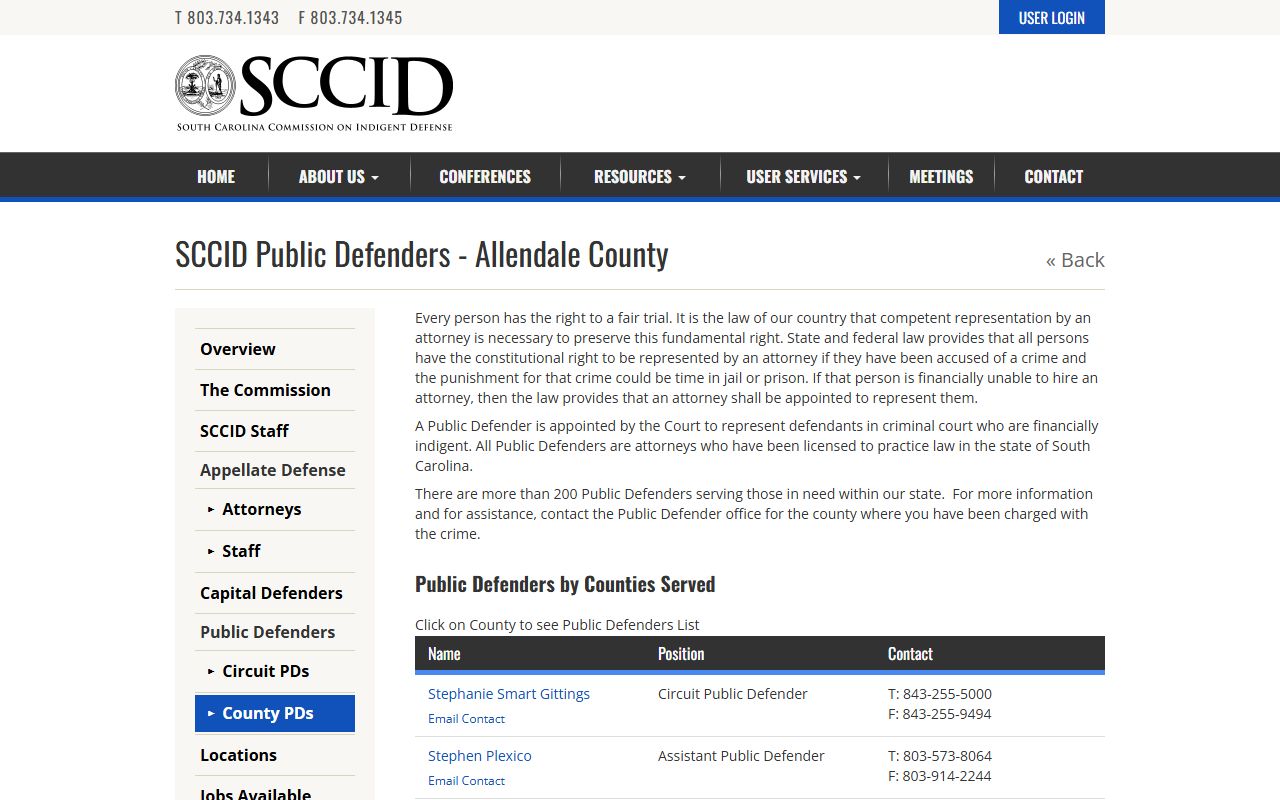
That listing is useful when a criminal court record search turns into an active case question that requires counsel rather than record-copy help.
Sealed and Expunged Records
Sealing and expungement are not the same. A sealed record is restricted from public access while usually still held by the court. An expunged record is removed, destroyed, or sealed under a specific order and statute. South Carolina adult criminal expungement applications are administered through the solicitor's office. Eligibility depends on the result, statute, charge, prior record, and case type.
The South Carolina expungement statutes are the core source for adult criminal-record relief.
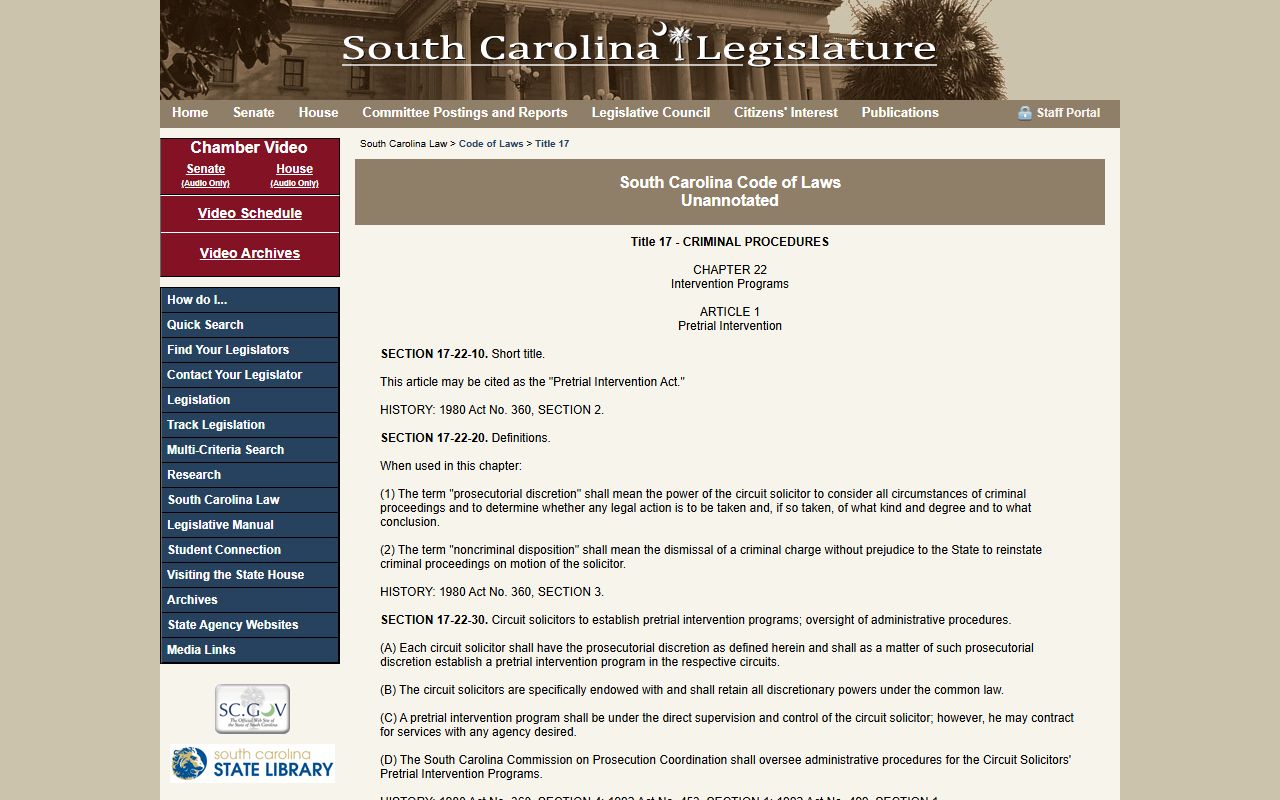
Those laws explain why an Allendale County criminal court record may be absent or restricted after an eligible case is processed.
| Issue | Sealed | Expunged |
|---|---|---|
| Public view | Hidden or limited by court order or statute. | Removed from public-facing record channels after the order is processed. |
| Record custody | The court may retain the record under restricted access. | Agencies receive an expungement order and update or destroy eligible records as required. |
| Starting point | The court that sealed the file or the clerk handling access. | The Fourteenth Circuit Solicitor for eligible adult criminal expungement applications. |
Restricted Allendale Criminal Records
Juvenile criminal records are a special category. South Carolina law treats juvenile court records as confidential and available only under statutory access rules or court order. Adoption, child-related family matters, sealed warrants, active investigative materials, victim-sensitive information, protected addresses, Social Security numbers, medical information, and financial account details may also be restricted or redacted.
The South Carolina juvenile court confidentiality statutes govern access to juvenile records.
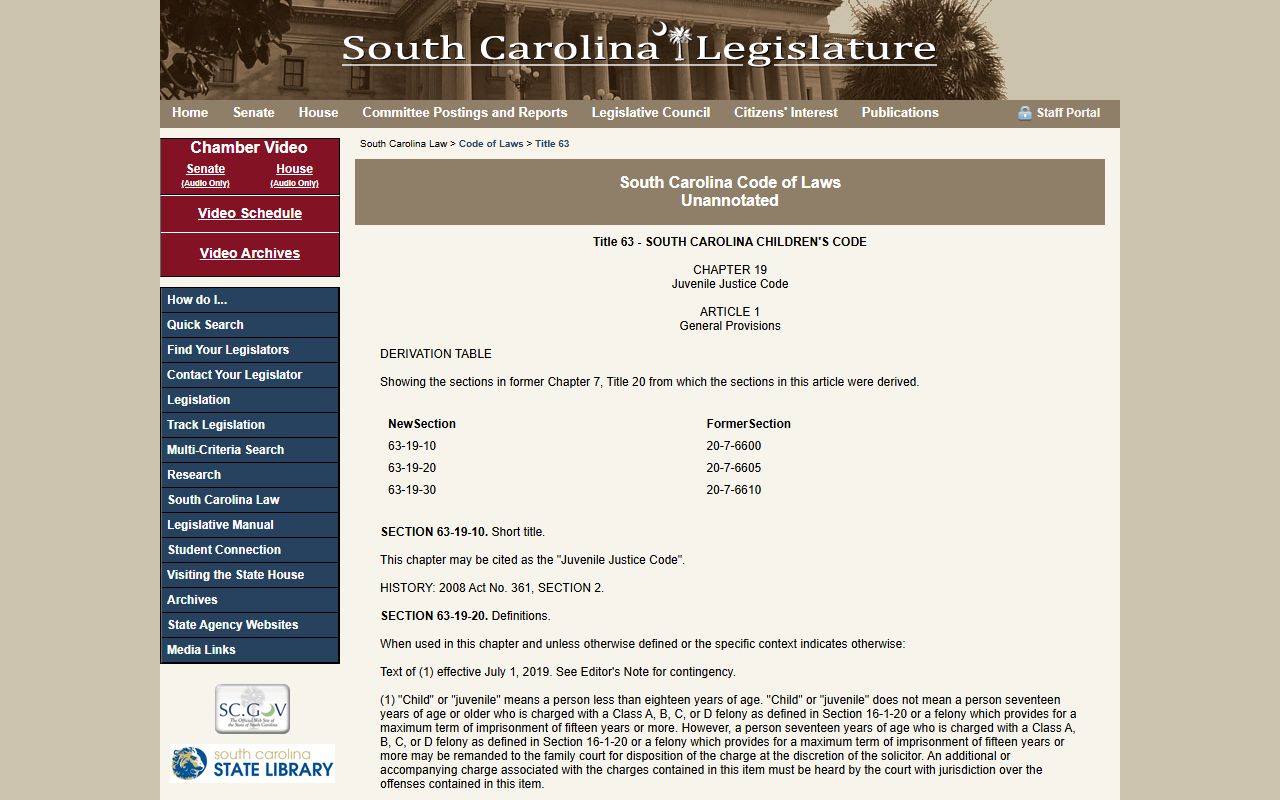
Those statutes are why a youth case should not be searched or described like an ordinary adult General Sessions criminal court record.
Key rule: Public criminal court access does not override juvenile confidentiality, sealing orders, expungement orders, or redaction rules.
Allendale Criminal Record Copies
The local copy source is the Allendale Clerk of Court. Contact the clerk for certified criminal case copies, older files, archived cases, unclear docket entries, or records that do not display through the Public Index. The clerk's official county listing gives PO Box 126, Allendale, SC 29810-0126, phone 803-584-2737, fax 803-584-7046, and email esabb@allendalecounty.gov. For bond or preliminary matters, the Allendale Magistrate and Allendale County Bond Court share phone 803-584-3755.
Use the right agency for the question. A court case record is not the same as a county jail booking entry, an SCDC prison profile, a SLED criminal-history product, a DMV driver record, or a sheriff incident report. A person who only needs to know whether someone is in custody should use detention or inmate channels. A person who needs the filed case outcome should use criminal court records and the Clerk of Court.